You open a poker app at 11 p.m., get dealt pocket kings, and watch a 7-2 offsuit crack them on the river. That single beat sums up iGaming better than any glossy banner: skill, chance, and a whole lot of psychology. Whether you're spinning slots, betting on football, or grinding low-stakes hold'em, the platforms are built to keep you clicking. The question is whether you're clicking with a plan or just along for the ride.
The Real Difference Between Slots, Table Games, and Sports Betting
People lump all iGaming together, but the math underneath each vertical is very different. Slots are pure RNG machines. A modern video slot might carry an RTP of 94% to 97%, meaning over millions of spins the house keeps 3% to 6%. Your session, though, is short. You could triple your balance in twenty minutes or lose it in ten. RTP is a long-run average, not a promise for tonight.
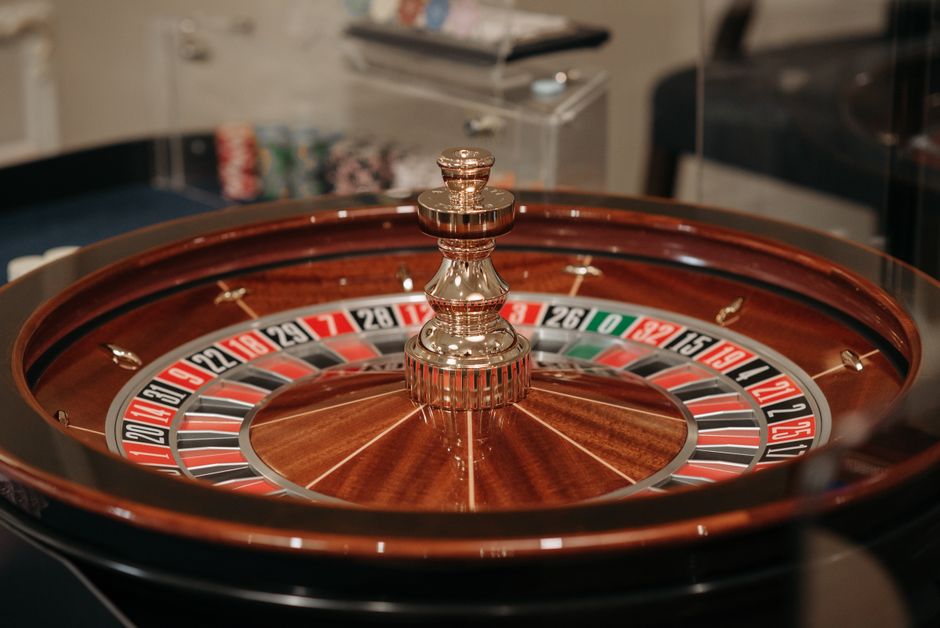
Table games sit in the middle. Blackjack played with basic strategy can push the house edge below 1%, which is why serious players treat it as a skill game with a small tax. Roulette is the opposite: American wheels with double zero carry a 5.26% edge, European wheels 2.7%. That double-zero pocket costs more than most casual players realize.
Sports betting is its own beast. The margin is baked into the odds. If both sides of a coin-flip market are priced at -110, the sportsbook is taking roughly 4.5% on the handle. Line shopping across three or four books routinely turns a losing long-term bettor into a break-even one. That's not hype; it's arithmetic. See mahjong way 1 for a side-by-side comparison.
Then there's poker, the odd one out. You're not playing the house, you're playing other people, and the casino just rakes the pot. A 5% rake capped at $3 doesn't sound like much until you realize it's the reason most micro-stakes grinders never move up.
Why Bankroll Management Beats Any Strategy You'll Read Online
You can have the best slot strategy on Reddit and still go broke by Tuesday if you don't manage your money. The concept is boring and that's exactly why most players skip it.
Here's a framework that actually works:
- Slots: Treat your deposit as entertainment spend, like a concert ticket. Never reload from rent money. A common rule is 1% to 2% of your bankroll per spin, so a $500 bankroll means $5 to $10 spins, not $5 slots on max bet.
- Blackjack and table games: 1% to 2% of bankroll per hand. This survives variance. Betting 10% per hand on a 1% edge game is how winning players go bust.
- Sports betting: 1% to 3% per wager, flat. Chasing a bad Sunday with a $200 parlay is not a strategy, it's a donation.
- Poker: 20 to 40 buy-ins for cash games, 50 to 100 for tournaments. Any less and a normal downswing wipes you out.
If you only take one thing from this article, take that list. Variance doesn't care how good you feel about a bet.
Reading a Slot Machine Without Falling for Marketing Tricks
Slot developers have gotten extremely good at making you feel close to a win. "Near miss" animations, cascading reels, and bonus buy features are engineered to keep you spinning. None of that changes the underlying math, but it does change your behavior, which is where the real cost lives.
When you're evaluating a slot, look past the theme and check three things:
- RTP (return to player): Listed in the game info screen on licensed sites. 96% is standard; 94% is a downgrade. The same slot can have different RTPs on different casinos, so check before you spin.
- Volatility: High-volatility slots pay rarely but big, low-volatility pay often but small. Match this to your bankroll, not your mood.
- Max win and hit frequency: A slot with a 5,000x max win and 1-in-200 hit rate plays completely differently from one with a 50,000x max and 1-in-800 rate. Know which one you're on.
Bonus buys are tempting but pricey, usually 50x to 100x your bet. If you're buying a $50 bonus on a $1 spin, you're paying $50 for a shot at a feature with its own RTP, often lower than the base game. Read the fine print.
Poker: Where iGaming Gets Genuinely Competitive
Online poker is the one vertical where a disciplined amateur can actually win long-term. But the games have gotten tougher since the boom years. Solvers and tracking software have flattened the edge that used to exist at low stakes, and the rakeback and bonus structures now decide who makes money almost as much as hand reading does.
A few concrete adjustments that still work in 2025:
- Play tighter from early position. The gap between UTG and button opening ranges is wider than most players think.
- Three-bet more in position. Passive calling stations bleed chips in today's games.
- Track your results. If you don't know your win rate over 20,000 hands, you don't know if you're winning.
- Choose tables with weaker players, not higher stakes. A soft $1/$2 game beats a tough $2/$5 game every time.
Freerolls and low buy-in tournaments are still the best training ground. The variance is brutal, but the buy-in risk is small and the experience is real.
Licensing, Safety, and the Things Casual Players Ignore
Not every casino is created equal. A license from the UKGC, MGA, or a US state regulator means the operator has passed audits on game fairness, fund segregation, and responsible-gambling tools. An unlicensed offshore site might offer better bonuses and faster payouts until the day it doesn't.
Before you deposit anywhere, ask:
- Who licenses this site, and is the license number verifiable?
- Are withdrawal times posted, and do player forums back them up?
- Is there a deposit limit, loss limit, or self-exclusion tool that's easy to find?
- Does the casino use provably fair or independently tested RNGs?
Cashouts are where reputations are made. A site with a 96% RTP slot and a 10-day withdrawal window is worse than a site with 95% RTP and next-day payouts. Speed of money matters more than 1% of theoretical return.
The Bottom Line
iGaming rewards the player who treats it like a system instead of a slot machine pull. Know the math, size your bets, pick your games deliberately, and choose operators that pay on time. None of that guarantees a win on any given night, and that's the point. What it does is keep you in the game long enough for the small edges to show up, whether that's a sportsbook promo, a soft poker table, or a slot with a genuinely fair RTP. The house always has an edge. Your job is to make it as small as possible, and to know exactly when to walk away.