Two neighbouring front gardens, both freshly weeded, both edged with a neat spade line. One is finished with pale gravel, the other with dark bark. Six months later they look like completely different gardens — and neither owner is entirely happy. The gravel has a rash of willowherb seedlings and a cat has adopted it. The bark has gone pale, blown onto the path and grown a fine crop of bittercress.
Both materials do a job. Neither is a magic carpet. What matters is matching the surface to the border, the soil and the amount of patience you have for topping up and tidying. Here is how the two compare where it counts.
What each material actually does
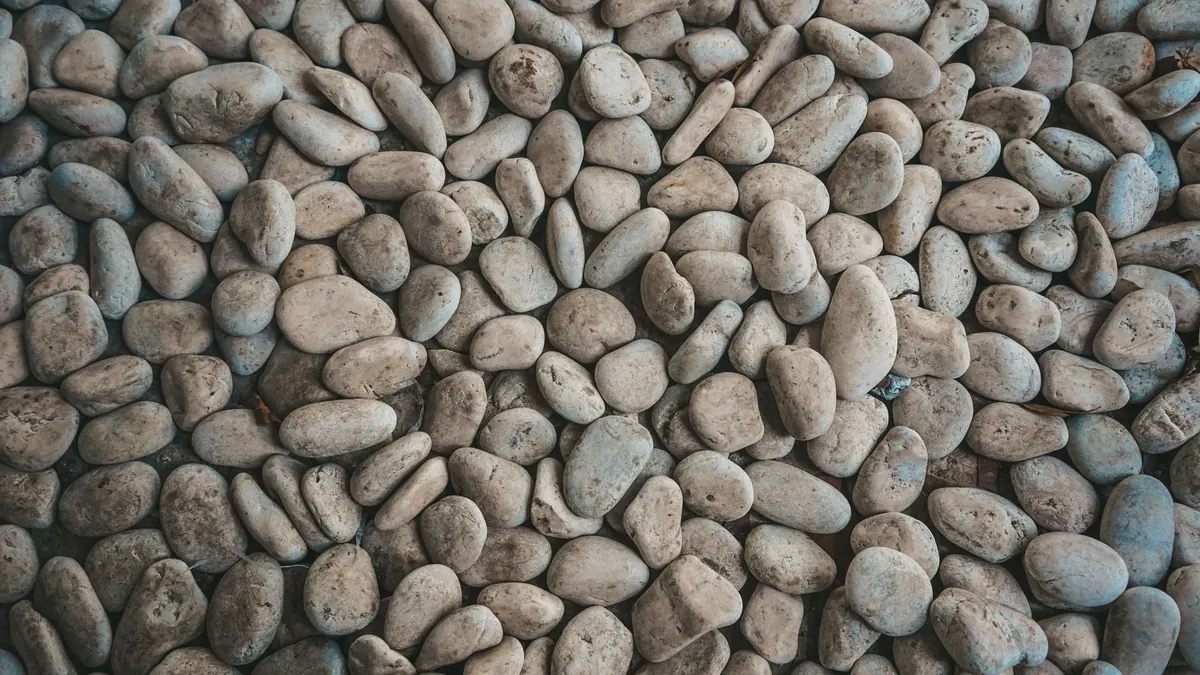
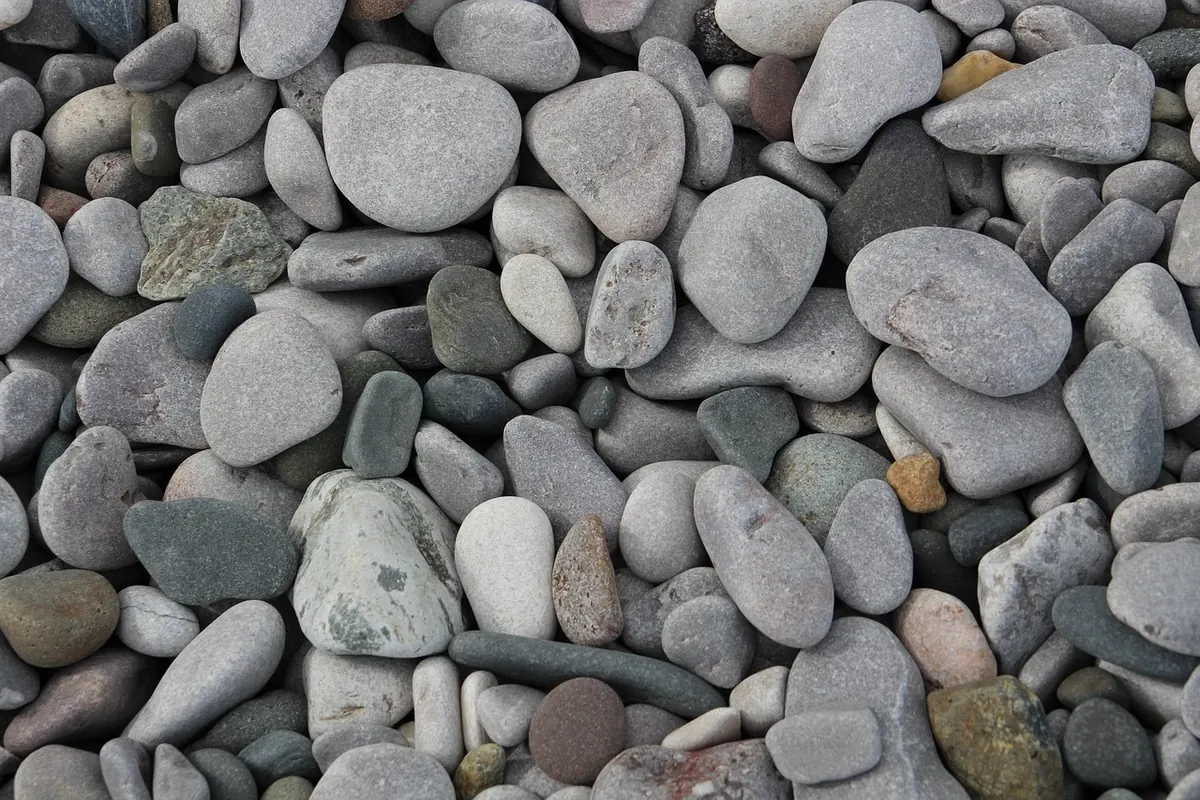
Pebbles and gravel are quarried stone. Whether you choose 20mm pea shingle, 40mm slate, flint or Scottish cobbles, the material is inert: it does not rot, feed weeds or change as it ages. It sits on the soil and stays there. That is its great strength and, in some borders, its weakness.
Bark chippings are a by-product of timber processing, usually pine or spruce. Composted bark is part-broken down, darker and softer; coarse woodchip is chunkier and slower to decay. Both are organic, so both will eventually disappear into the soil. The old warning about woodchip robbing nitrogen from the soil applies mainly when it is dug in, not when it is used as a surface mulch.
Weed suppression: how the two compare
No mulch stops weeds completely. Weed seeds blow in, land on top, and germinate in whatever debris has collected. What a good mulch does is smother the weed seeds already sitting in the soil and make the ones that arrive easy to pull. Depth and preparation decide how well it works.
- Pebbles: lay a woven landscape fabric first, then a minimum of 5cm of stone — 7cm on a border you plan to walk over. Annual weeds pull out easily; bindweed and ground elder will still creep through fabric given a few years, so dig them out properly beforehand.
- Bark: spread 7–8cm thick over damp soil after hand-weeding. Roots the weeds you missed will push through within weeks, so get the ground clean first. Bark is itself a growing medium, so any seed that lands on it can root.
- Edges matter more than the material. Stone drifts into lawns and paths without a firm edge; bark washes off slopes. A steel or brick edge solves both.
- Keep mulch clear of stems. Piling either material against tree trunks, shrub crowns or house walls traps moisture. Leave a collar of bare soil around woody plants and keep it back from the damp course.
Longevity and maintenance
Stone outlasts the plants around it. You may never top it up, though you will want to deal with fallen leaves in autumn, and algae or moss in damp shade — a stiff broom, or a jet wash once every few years, brings it back. The real cost is in reworking the border: replanting through gravel is fiddly, and stone gradually works down into the soil. Moving it is heavy work, so get the position right first time.
Bark is a consumable. Expect to top up every year or two, adding roughly a third to half the original depth as the lower layer breaks down. In return, it feeds the soil. Worms pull it down, improving structure and moisture retention, which is a genuine benefit in sandy or chalky borders. Fork it over lightly each spring to stop it matting and shedding water.
Cost: upfront versus ongoing
Bark costs less per bag and is easy to handle, which is why it is the default choice for large borders. But it is a repeat purchase, and a border of any size swallows a surprising volume — measure in square metres and multiply by depth to work out litres before you order.
Stone costs more at the outset and usually needs a delivery you can barrow through a side gate, plus a membrane underneath. Over a decade, though, a one-off purchase often works out no dearer than several rounds of bark. Bulk bags from a builders' merchant or local quarry are far better value than garden centre poly bags. If you may want to change the scheme later, remember that removing gravel means finding a home for a lot of stone.
Cheapest rule of thumb: bark for beds you will replant, stone for borders you want to leave alone.
Appearance and where each one belongs
Bark looks softer and more informal. It suits woodland planting under acers and birches, ferns, hostas and spring bulbs, and it visually ties a border to the leaf litter around it. Dark composted bark sets off green foliage beautifully. Its downside is that thin, faded bark looks tired, and it turns dusty pale in strong sun.
Pebbles look crisp and deliberate. They work with gravel-garden planting — lavender, santolina, thyme, stipa — with clipped topiary and alpines, and along a contemporary frontage. Pale stone lifts a shady corner; slate and dark gravel anchor a cooler, more restrained scheme. Light gravel can glare in full sun and shows every fallen leaf, so choose a size and tone you can live with in winter.
Which suits British gardens and soils?
Our damp, mild climate speeds up the decay of anything organic, so bark breaks down faster here than in drier places — a fact worth factoring into your topping-up schedule. In wet, shaded borders, bark also gives slugs and snails somewhere comfortable to spend the day.
Watch the stone you choose around acid-lovers
Limestone and some gravels are alkaline and can affect the soil immediately around them. If your border holds camellias, rhododendrons, pieris or blueberries, stick to inert options such as slate, flint or granite, or simply use bark.
Practical points by situation
- Slopes: stone, with a proper edge. Bark slides and gathers at the bottom.
- Under trees: bark, kept well clear of the trunk. It matches falling leaves and feeds the soil.
- South-facing wall borders: dark stone can get very hot in summer; use a lighter gravel or bark around plants with shallow roots.
- Households with cats: gravel is a popular litter tray. Bark is less attractive to them, but more attractive to slugs.
- Front gardens on a footpath: gravel can be kicked onto paving. A slightly larger pebble stays put better.
Making the decision
If you want low fuss and a border you rarely disturb, and you can stomach the upfront cost and the delivery, go for pebbles over a woven membrane. If your planting changes often, your soil is poor and hungry, or you are mulching a woodland-style bed, bark will serve you better — just accept the annual top-up.
Whichever you choose, spend your effort on the preparation: clear perennial weeds, water the border thoroughly, spread the material to full depth in one go rather than in dribs, and fit a solid edge. Do that, and both materials will do their job for years. Skimp on it, and you will be back at the garden centre next spring, buying more of whatever you chose.
Photo: Ditney / Pixabay